Future Ready Workforce: How Businesses Can Prepare Employees for Tomorrow’s Challenges
- jamilsporer62
- Jun 4
- 3 min read
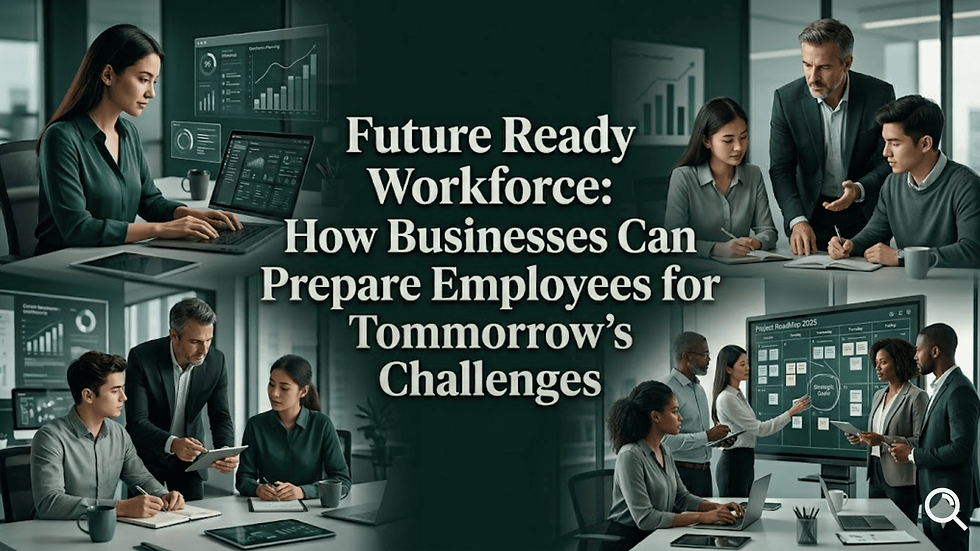
Technology is changing faster than ever, job roles are evolving, and employee expectations continue to shift. So, how can businesses stay competitive while ensuring employees remain productive and adaptable?
The answer lies in building a workforce that is skilled, flexible, and prepared for future ready workplace demands. Companies that invest in continuous learning, digital transformation, and employee adaptability are more likely to thrive in uncertain business environments.
A workforce prepared for future challenges is not only capable of handling technological disruption but can also respond quickly to industry changes, customer expectations, and new ways of working.
What Is a Future-Ready Workforce?
A future ready workforce refers to employees who possess the skills, mindset, adaptability, and technological capabilities needed to succeed in changing business environments.
Rather than focusing only on current job requirements, organizations prepare employees for future roles by encouraging:
Continuous learning
Digital literacy
Critical thinking
Problem-solving abilities
Collaboration and communication skills
Adaptability to workplace changes
In simple terms, organizations build teams that can evolve alongside technological and business changes instead of struggling to catch up.
Why Is Building a Workforce for the Future Important?
Businesses today face increasing challenges, including automation, remote work, talent shortages, and shifting customer expectations.
Preparing employees for these changes helps organizations:
1. Improve Employee Adaptability
Employees who continuously learn are more likely to adapt quickly when new systems or technologies are introduced.
2. Increase Business Resilience
Organizations with adaptable teams can manage disruptions more effectively and maintain operational continuity.
3. Boost Employee Retention
Employees value workplaces that invest in professional development and long-term career growth.
4. Strengthen Innovation
Teams with diverse skills and updated knowledge often generate better ideas and solutions.
Key Skills Needed in Tomorrow’s Workplace

Companies aiming to stay competitive should focus on developing skills that support long-term success.
Digital Skills
Technology influences nearly every industry. Employees need confidence using digital tools, automation platforms, and workplace software.
Emotional Intelligence
Strong interpersonal communication, empathy, and teamwork remain valuable even in highly automated workplaces.
Critical Thinking
Employees should be able to analyze problems, evaluate risks, and make informed decisions.
Adaptability
Modern workplaces change quickly. Flexible employees are better equipped to manage uncertainty.
Leadership and Collaboration
Future organizations need professionals who can work across teams and lead effectively in hybrid or remote environments.
Strategies to Build a Strong Workforce for the Future
Creating workplace readiness requires a long-term strategy rather than a one-time initiative.
Invest in Continuous Learning
Offer training programs that improve technical and soft skills. Online learning platforms, workshops, and mentorship programs help employees grow consistently.
Encourage Internal Mobility
Allow employees to explore new roles and responsibilities. Cross-functional experience improves adaptability.
Embrace Workplace Technology
Organizations should adopt tools that improve productivity, communication, and workforce visibility.
For example, many businesses use a call center monitoring system to understand employee performance, improve service quality, and identify training opportunities through measurable insights.
Promote a Learning Culture
Encourage employees to stay curious, ask questions, and participate in skill-building activities.
Prioritize Employee Well-Being
A productive workforce depends on mental well-being, flexibility, and work-life balance.
Common Challenges Businesses Face
Despite recognizing the need for workplace readiness, many organizations struggle with implementation.
Skills Gaps
Employees may lack expertise in emerging technologies or evolving job responsibilities.
Resistance to Change
Some teams find it difficult to adapt to new systems or processes.
Budget Constraints
Training and development programs often require long-term investment.
Rapid Technology Changes
Technology evolves quickly, making continuous upskilling essential.
Businesses that address these challenges early often achieve better employee engagement and stronger long-term performance.
How Leadership Shapes Workforce Readiness
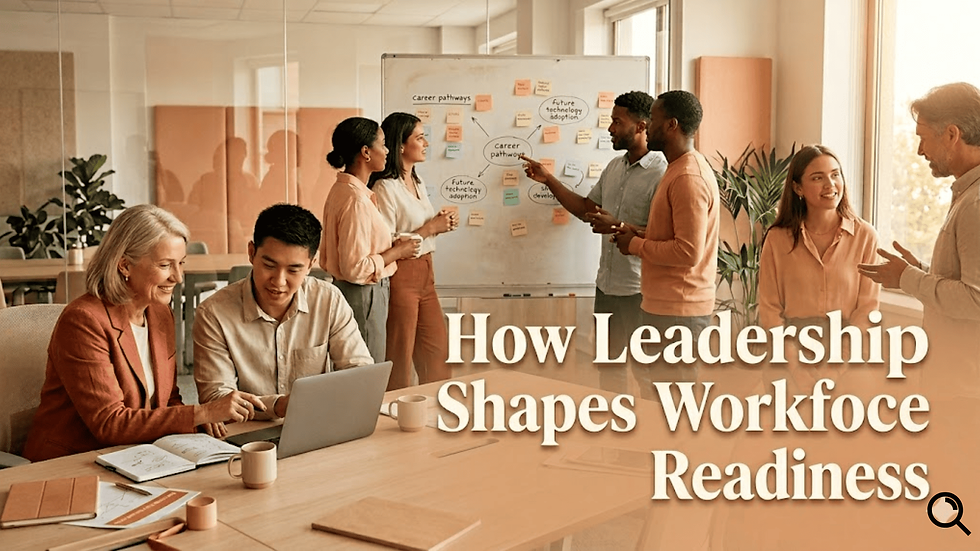
Leaders play a major role in preparing teams for the future.
Effective leaders:
Encourage skill development
Support workplace innovation
Communicate organizational goals clearly
Create opportunities for learning
Build adaptable workplace cultures
Strong leadership helps employees feel supported during transitions and workplace changes.
You can also watch this video: Emp Monitor | Boost Workplace Productivity with Employee Monitoring Software.
Summary
Preparing employees for future ready workplace demands is no longer optional for businesses that want sustainable growth. A future ready workforce combines adaptability, digital skills, collaboration, and continuous learning to help organizations stay competitive. Companies that invest in employee development today are better prepared to handle technological disruptions, talent shifts, and evolving customer expectations tomorrow.
FAQ
What is a future-ready workforce?
A future-ready workforce consists of employees equipped with the skills, adaptability, and mindset needed to thrive in changing work environments.
Why is workforce readiness important?
It helps businesses remain competitive, improve employee productivity, and adapt to technological and industry changes.
What skills are most important for future workplaces?
Digital literacy, adaptability, critical thinking, emotional intelligence, and collaboration are among the most important skills.
How can companies prepare employees for future jobs?
Businesses can invest in training, encourage continuous learning, embrace technology, and create flexible work environments.
Can small businesses build workforce readiness?
Yes. Even smaller businesses can improve workforce readiness through affordable training programs, mentorship, and skill development initiatives.


Comments